Spring HVAC Maintenance Checklist for Ohio Homeowners
Spring HVAC Maintenance Checklist for Ohio Homeowners
As temperatures begin warming up across Ohio, spring is the perfect time to prepare your HVAC system for the summer season. Preventative HVAC maintenance can help improve energy efficiency, lower utility bills, reduce breakdowns, and extend the life of your air conditioning system.
If you are wondering how to get your air conditioner ready for summer, this spring HVAC maintenance checklist will help Ohio homeowners stay comfortable and avoid costly repairs.
Why Spring HVAC Maintenance Is Important
Your heating and cooling system works hard through Ohio winters and humid summers. Seasonal HVAC maintenance helps ensure your system is operating safely and efficiently before peak cooling season begins.
Benefits of spring HVAC maintenance include:
- Lower energy bills
- Better indoor air quality
- Improved airflow and comfort
- Fewer emergency AC repairs
- Longer HVAC system lifespan
- Increased energy efficiency
Many homeowners wait until their AC stops working before calling for service. Scheduling maintenance in the spring can help catch small problems before they become expensive repairs.
1. Replace Your HVAC Air Filter
One of the most important HVAC maintenance tasks is replacing your air filter regularly.
A dirty HVAC filter can:
- Restrict airflow
- Increase energy costs
- Cause your AC to work harder
- Reduce indoor air quality
- Trigger allergy symptoms
Most Ohio homeowners should replace their HVAC filter every 1 to 3 months depending on pets, allergies, and system usage.
How often should you change your HVAC filter?
For most homes:
- Every 30 days for homes with pets or allergies
- Every 60 to 90 days for standard households
2. Test Your Air Conditioner Before Summer
Do not wait until the first 85-degree day to turn on your air conditioner.
Test your AC system in spring to make sure:
- Cool air is coming from vents
- Airflow feels consistent
- The thermostat responds correctly
- The outdoor unit turns on properly
If your AC is blowing warm air, making strange noises, or struggling to cool your home, it may need professional service.
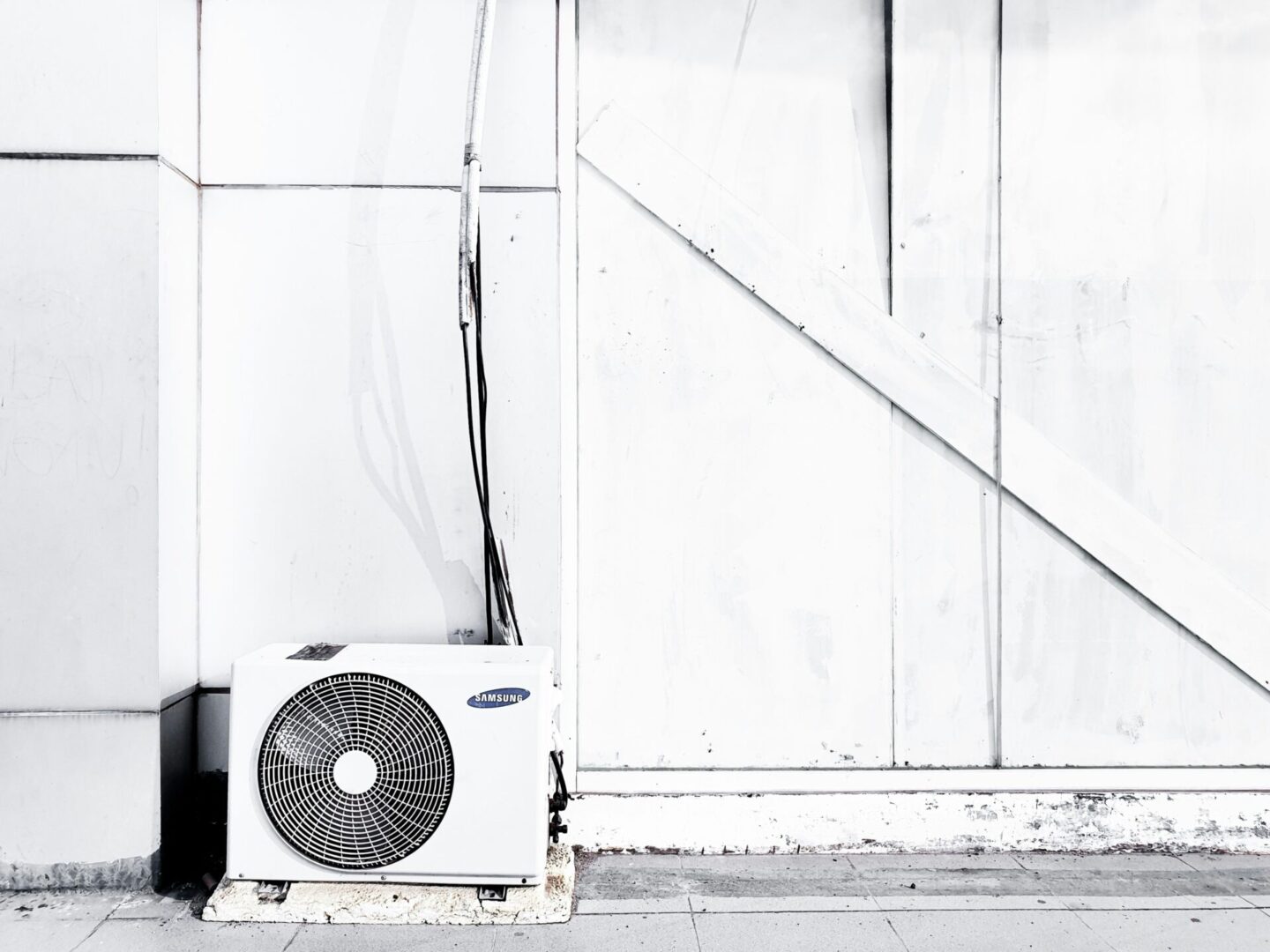
3. Clean Around Your Outdoor AC Unit
Your outdoor condenser unit likely collected leaves, dirt, sticks, and debris over the winter months.
To improve airflow and efficiency:
- Remove debris around the unit
- Trim plants and shrubs back at least 2 feet
- Gently rinse dirt from the coils with a garden hose
Restricted airflow can reduce cooling performance and increase wear on your HVAC system.
4. Check Air Vents and Registers
Walk through your home and inspect all vents and registers.
Make sure they are:
- Open and unobstructed
- Free from dust buildup
- Not blocked by furniture or rugs
Blocked vents can cause uneven cooling and force your HVAC system to work harder than necessary.
5. Listen for Strange HVAC Noises
Unusual sounds are often an early warning sign of HVAC problems.
Common AC noises include:
- Banging
- Buzzing
- Squealing
- Rattling
- Clicking
These sounds could indicate loose components, electrical problems, failing motors, or airflow restrictions.
Why is my AC making loud noises?
If your air conditioner suddenly becomes noisy, it is best to schedule an HVAC inspection before the issue worsens.
6. Inspect Your Thermostat Settings
Spring is a good time to check thermostat performance and settings.
Consider upgrading to a programmable or smart thermostat to:
- Improve energy efficiency
- Lower cooling costs
- Maintain consistent temperatures
- Automatically adjust settings while away from home
What temperature should I set my thermostat in spring?
Most homeowners find 68 to 72 degrees comfortable during spring months depending on outdoor temperatures and humidity levels.
7. Check for Uneven Cooling
If certain rooms feel warmer than others, your HVAC system may have:
- Airflow problems
- Dirty ductwork
- Low refrigerant
- Insulation issues
- Aging equipment
Uneven temperatures are one of the most common HVAC complaints homeowners experience in spring and summer.
8. Schedule a Professional AC Tune-Up
A professional HVAC tune-up is one of the best ways to prevent breakdowns during the summer season.
During an AC maintenance visit, HVAC technicians typically inspect:
- Refrigerant levels
- Electrical connections
- Capacitors and components
- Thermostat calibration
- Condensate drain lines
- Evaporator and condenser coils
- Blower motors and airflow
Is annual AC maintenance worth it?
Yes. Annual HVAC maintenance helps improve system efficiency, reduce repair costs, and extend the lifespan of your heating and cooling equipment.
Common Signs Your HVAC System Needs Service
You may need HVAC repair if you notice:
- Warm air coming from vents
- Weak airflow
- High energy bills
- Frequent cycling
- Humidity problems
- Strange smells
- Water leaks near the unit
Ignoring small HVAC issues can often lead to larger and more expensive repairs later.
Spring HVAC Maintenance in Ohio
Ohio homeowners experience large seasonal temperature swings, which can put extra stress on heating and cooling systems throughout the year. Scheduling spring HVAC maintenance before summer arrives can help keep your home comfortable and energy efficient.
At On the Spot Heating and Cooling, we help homeowners throughout Northeast Ohio prepare their air conditioning systems for warmer weather with professional HVAC maintenance and repair services.
