
Why Your Furnace Struggles During Extreme Wind Chills and What You Can Do About It
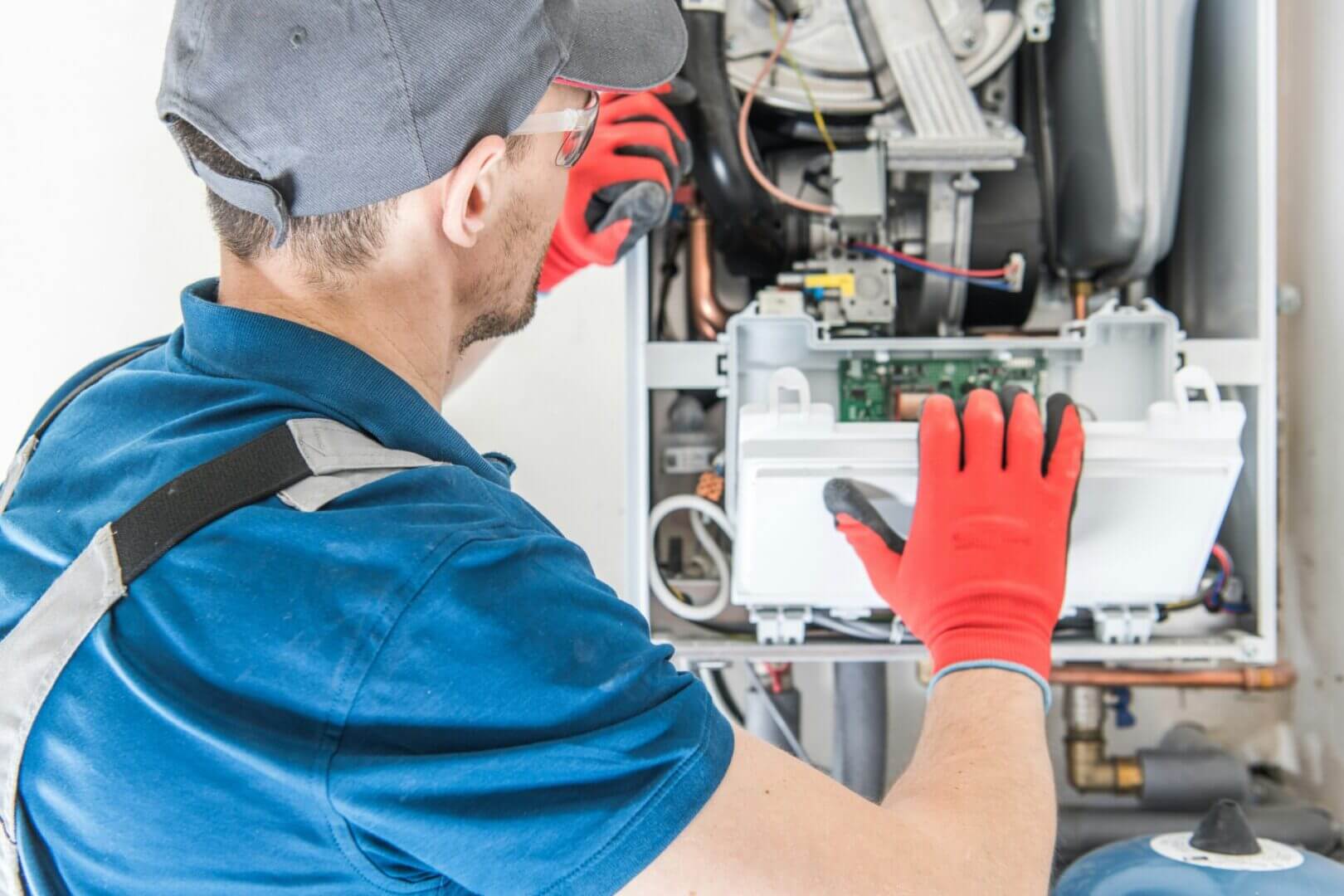
Why Your Furnace Struggles During Extreme Wind Chills and What You Can Do About It
When wind chills plunge below zero, your furnace works harder than at any other time of the year. Even a system that performs well most of the winter can struggle when exposed to prolonged extreme cold. Understanding why this happens and knowing what to check can help you avoid unexpected breakdowns and costly repairs.
How Extreme Wind Chills Affect Your Heating System
Extreme wind chills increase the rate at which your home loses heat. Cold air pushes through small gaps in insulation, doors, windows, and ductwork. As heat escapes faster, your furnace must run longer cycles to maintain indoor comfort.
This added demand can expose issues that are not noticeable during milder winter weather.
Common Reasons Furnaces Struggle in Extreme Cold
Here are the most frequent reasons furnaces have trouble keeping up when temperatures drop dramatically.
1. Your Furnace Is Running Longer Than It Was Designed To
Furnaces are sized based on average winter temperatures, not record-breaking cold. During extreme wind chills, even properly sized systems may struggle to maintain your normal thermostat setting.
2. Dirty Air Filters Restrict Airflow
A clogged filter makes it harder for warm air to circulate through your home. Reduced airflow causes the furnace to overheat and shut off early or run inefficiently, leaving rooms feeling cold.
3. Cold Air Is Entering Through Drafts
Drafty doors, windows, attic access points, and basement areas allow cold air to enter while warm air escapes. This forces your furnace to constantly play catch-up.
4. Thermostat Placement or Settings Are Working Against You
Thermostats placed near drafty areas or exterior walls may read the temperature incorrectly. Frequent temperature changes can also cause unnecessary strain on your system.
5. Exhaust or Intake Pipes Are Blocked
High-efficiency furnaces use PVC pipes to bring in fresh air and vent exhaust outside. Snow, ice, or debris can partially block these pipes, reducing performance and potentially triggering safety shutdowns.
6. Aging or Worn Components
As furnaces age, parts such as blower motors, ignitors, and heat exchangers become less efficient. Extreme cold often exposes these weaknesses.
Troubleshooting Tips Homeowners Can Try
Before calling for service, here are a few safe steps you can take:
- Replace your furnace air filter if it is dirty
- Check that all supply vents and return vents are open and unobstructed
- Make sure exterior intake and exhaust pipes are clear of snow and ice
- Set your thermostat to a consistent temperature instead of frequent adjustments
- Close curtains or blinds at night to reduce heat loss from windows
If these steps do not improve comfort, professional service is recommended.
When Furnace Struggles Become a Safety Concern
If your furnace is blowing cold air, short cycling, making loud noises, or failing to keep your home above safe temperatures, it is time to call a professional. Ignoring these signs can increase the risk of breakdowns, frozen pipes, or safety issues related to combustion and ventilation.
How On the Spot Heating and Cooling Can Help
At On the Spot Heating and Cooling, we understand how Ohio wind chills impact home heating systems. Our technicians can diagnose performance issues, improve efficiency, and help prevent breakdowns during the coldest weather.
From routine maintenance to emergency repairs, we are here to keep your home warm and protected all winter long.
Schedule Furnace Service Today
Do not wait for a complete system failure during extreme cold. Contact On the Spot Heating and Cooling today to schedule furnace maintenance or repair and gain peace of mind during winter’s harshest conditions.
